
Industry Commitment
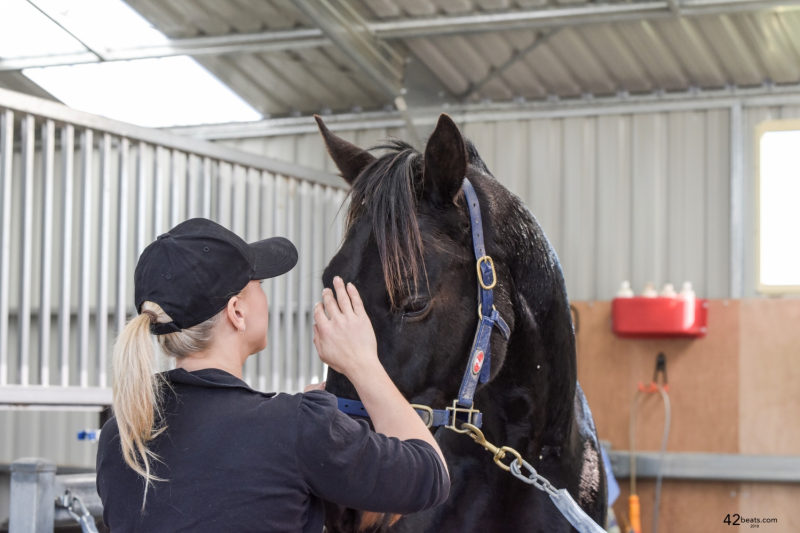
At Harness Racing Australia (HRA), the health, welfare and traceability of Standardbred horses is central to everything we do. We believe that cruel, abusive, or inhumane treatment of any horse is unacceptable by anyone, anywhere.
Welfare first approach
One of the key questions we ask ourselves as an industry is simple: is it ethically acceptable?
While harness racing has long had welfare programs in place, we recognise that knowledge about horses continues to grow. Research into equine behaviour, health, and management is constantly evolving, and our policies evolve with it. Recent improvements to our welfare framework include strengthened retirement rules, improved lifetime traceability of horses, and one of the strictest whip-use policies in racing worldwide.
Education and Accountability
Anyone licensed to train, drive, or care for Standardbred horses must demonstrate appropriate knowledge and responsibility. As part of this, all licence holders complete a dedicated equine welfare education module every year. This ensures that the people responsible for these horses remain up to date with best-practice care.
In addition, integrity officers in each state regularly conduct unannounced stable inspections. These inspections assess horse condition, hoof care, access to quality feed and water, shelter, and overall facilities. When welfare standards are not met, regulatory action can be taken, including penalties or, in serious cases, the removal of horses from those responsible for them.
Responsible Breeding and Racing Careers
Standardbred breeding in Australia is carefully managed and fully traceable, beginning before a foal is even born. Over the past decade, the number of Standardbreds born each year has reduced significantly, however this is balanced by a significant upward trend in not only the number of Standardbreds that make it to the races but the length and success of their career. Optimising foal crop utilisation creates a sustainable industry for the future.
This has been further boosted by the introduction of new handicapping measures, which aim to place horses in fields of comparable horses, based on recent form not past history, creating even contests, and thus more opportunities for more horses to not only begin their career successfully but for fit, healthy older horses to continue to race on.
Life Beyond the Racetrack
We recognise that our responsibility to Standardbred horses continues after their racing careers end. In 2018, HRA introduced the There Is No Finish Line initiative, which promotes the retraining and rehoming of retired Standardbreds.
This program provides resources to help owners, trainers, and riders transition horses into new careers—such as pleasure riding or other equestrian activities—and supports state-based rehoming programs across Australia.
Our Ongoing Responsibility
Harness racing involves animals, and that means we carry a significant responsibility. As the national body for the sport, HRA and its members remain committed to continuously improving welfare standards, strengthening oversight, and ensuring that Standardbred horses are cared for throughout every stage of their lives.
HRA’s Equine Welfare Statement (adopted unanimously in 2010) reinforces our long-standing commitment:
Horses must be treated with kindness, respect and proper care.
Cruelty and neglect have zero place in the sport.
Welfare is the priority—from breeding, training, racing and retirement.
We support best practice, science, education and continual improvement.
Every Standardbred is tracked throughout its life in the industry.
HRA remains committed to leading the way in equine welfare across Australia and the world.